To create a Facebook ad you need a Facebook Business Page, a Meta Business account and Ads Manager. Inside Ads Manager you pick an objective (like leads or sales), choose who sees the ad, set a budget, then build the creative (the image or video and the text). That is the whole process in one sentence.
The hard part is not the buttons. It is making an ad that people actually respond to. This guide walks you through the setup in plain steps, then shows you what separates a wasted budget from ads that bring in enquiries.
Key point: A good Facebook ad is one clear message to one clear audience, pointing at one clear action. Confusion kills results faster than a small budget does.
Before you build anything
Do not open Ads Manager yet. Sort these three things first, because they decide whether your ads work.
- Know your one goal. Enquiries, phone calls, bookings or online sales. Pick one. An ad trying to do everything does nothing.
- Know who you want. Write down your ideal customer in a sentence. "Homeowners in Leeds who need a new boiler" is useful. "Everyone" is not.
- Know where they land. Decide the page they arrive on after clicking. A relevant, fast page is worth more than a clever ad.
Step by step: creating your first Facebook ad
- Set up the accounts. Create a Facebook Business Page if you do not have one, then set up a free Meta Business account. This gives you Ads Manager, where all the real work happens.
- Install the Meta Pixel. This is a small piece of tracking code on your website. It lets Facebook see what people do after they click, so it can find more of the right people. Without it you are guessing.
- Choose your objective. For most small businesses this is Leads or Sales. Choosing "engagement" or "reach" because it is cheaper is a common mistake. It gets you likes, not customers.
- Build the audience. Set the location, age range and interests. Start broader than feels comfortable. Facebook is good at finding buyers if you give it room and a Pixel to learn from.
- Set the budget and schedule. Start small and steady. Give it enough days to gather data before you judge it.
- Create the ad. Add your image or video, headline, main text and a call to action button. This is where most of the difference is won or lost.
- Publish and wait. Leave it alone for a few days. Turning things off after 12 hours tells you nothing.
What makes a Facebook ad actually convert
The mechanics are easy. Getting people to stop scrolling and act is the real skill. Here is what matters most.
A scroll-stopping visual
People decide in a fraction of a second. Use a clear, bright image or a short video that shows the thing you sell or the result you deliver. Avoid stock photos that look like everyone else's.
A headline about them
Lead with the benefit to the customer, not your company name. "Fixed price boiler installs, no surprises" beats "We are a family firm since 2005".
One clear action
Tell people exactly what to do next. "Get a free quote" or "Book your slot". One button, one instruction.
A matching landing page
The page they land on must repeat the promise from the ad. If the ad says free quote, the page must be about getting a free quote, not your homepage.
Writing the ad text
Keep it short. Most people read the first line and the headline, so put the important part first. A simple structure that works:
- Line one: name the problem or the desire.
- Line two: say how you solve it and why you are safe to choose.
- Line three: the call to action.
Write like you talk. No jargon, no "in today's fast-moving world". Say what you do and what to do next.
Common beginner mistakes
| Mistake | Do this instead |
|---|---|
| Boosting a post from the Page | Use Ads Manager for proper targeting and objectives |
| Targeting far too narrow | Start broad and let the Pixel learn |
| Judging results after a day | Give each ad several days of steady spend |
| Sending clicks to the homepage | Send them to a page matching the ad's promise |
| Running one ad only | Test two or three images and headlines |
That first row matters more than it looks. Boosting a post is quick, but it is a blunt tool. We covered the difference in Facebook ads vs boosted posts, and for most goals the proper Ads Manager route wins.
Budget and testing
You do not need a big budget to start, but you do need patience. Run your ad, let it collect data, then read the numbers. Look at cost per lead or cost per sale, not likes.
If you want a realistic picture of what to expect before you commit, read our guide on how much Facebook ads cost for UK small businesses. It sets sensible expectations so you do not panic at the early figures.
Once you have some results, one of the strongest moves is building a lookalike audience from people who already bought or enquired. This tells Facebook to go and find more people like your best customers, which usually improves results over time. If the ongoing work sounds like more than you can fit in, our Facebook ads management team can run the testing and reporting for you.
Facebook or Instagram?
They run through the same Ads Manager, so you are not choosing one platform and losing the other. Where your budget performs best depends on your audience and your product. If you sell something visual, Instagram may pull its weight. We compared them in Instagram ads vs Facebook ads if you want to decide where to lean.
Getting Facebook ads to pay for themselves
Creating a Facebook ad is straightforward. Creating one that consistently brings in enquiries at a sensible cost takes clear targeting, honest ad copy, a matching landing page and steady testing. Most small business owners simply do not have the hours to babysit it every week, and that is where wasted spend creeps in. If you would rather it was handled properly, our Facebook ads management services cover the setup, tracking, testing and reporting for a fixed monthly fee, so you always know what you are paying. We are a UK agency, 15 years in, working mainly with small businesses, and every meeting is a video call to fit around your day.
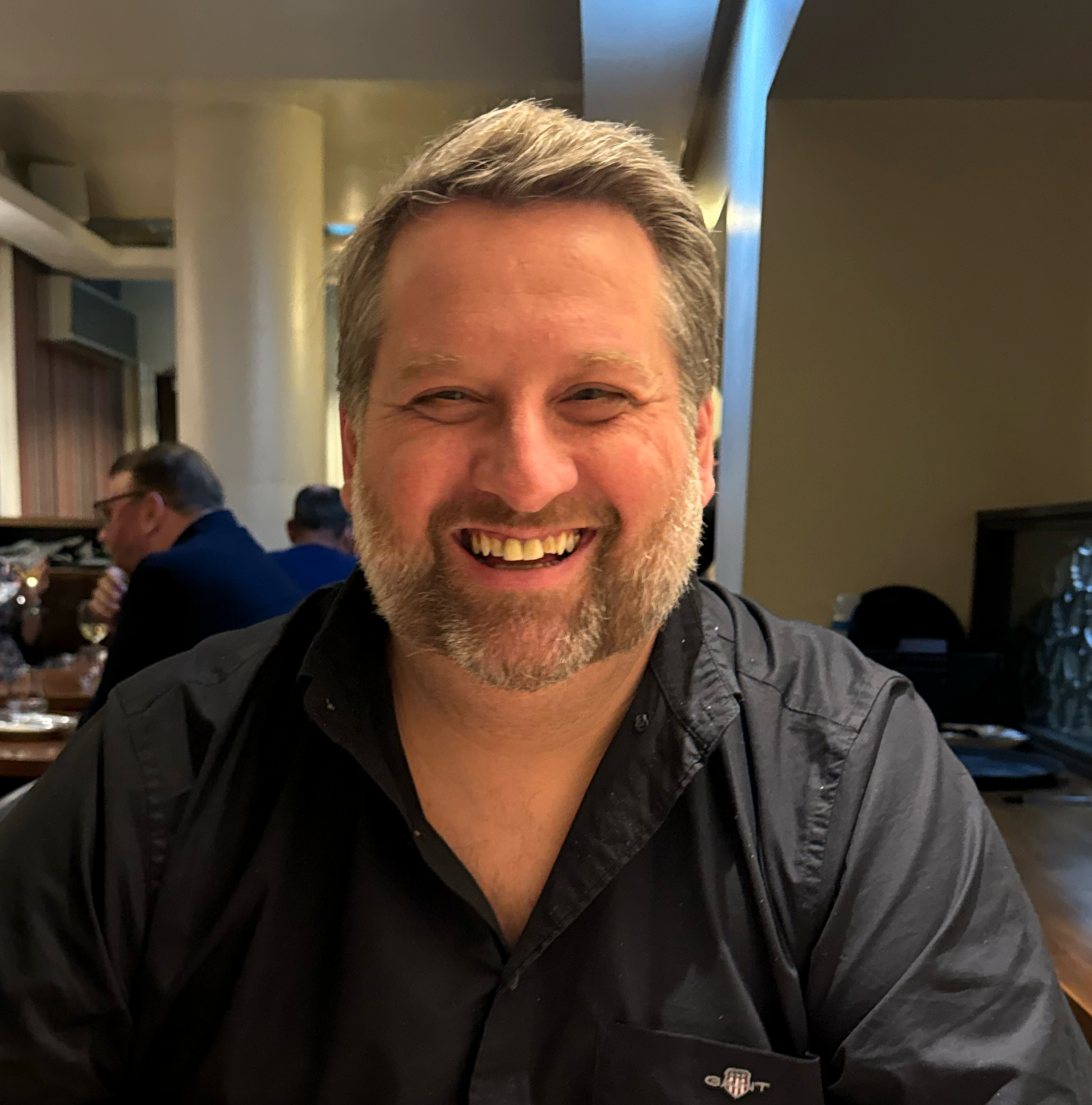
Brett Dixon
Founder & Managing Director of DPOM. Brett founded DPOM nearly 15 years ago after a career in marketing working with Harvey Nichols, BBC Top Gear, Formula One circuits, and UK Trade and Investment. His passion became helping smaller businesses grow, with honest advice, no jargon, and realistic expectations.
Need Help With Social Media?
Speak to our team about how we can help your business grow.